How to Design a Low-Maintenance Garden in Rhode Island
Designing a Low-Maintenance Garden in Rhode Island
Creating a beautiful and thriving garden in Rhode Island can be a challenging task, especially for those with busy schedules or limited gardening experience. However, with the right design and maintenance strategies, it’s possible to enjoy a stunning outdoor space with minimal upkeep. In this article, we’ll explore the key principles of designing a low-maintenance garden in Rhode Island, including tips on plant selection, soil preparation, and pest control. We’ll also discuss the benefits of working with a professional lawn care service, such as 4EverGreen, to ensure your garden remains healthy and vibrant throughout the year.
Understanding Rhode Island’s Climate and Soil Conditions
Rhode Island’s climate is characterized by cold winters, warm summers, and moderate precipitation levels, which can impact the types of plants that thrive in the state. According to the USDA, Rhode Island is located in USDA Hardiness Zones 6 and 7, which means that gardeners should choose plants that are tolerant of frost and can survive temperatures as low as -10°F. Additionally, Rhode Island’s soil conditions vary from sandy to clay-based, which can affect drainage and nutrient availability. The University of Massachusetts Amherst Extension provides valuable resources on soil testing and amendment, which can help gardeners optimize their soil conditions for optimal plant growth.
For example, in the client regions of Cranston and Warwick, gardeners may need to contend with sandy soils that drain quickly, requiring more frequent watering and fertilization. By understanding the local climate and soil conditions, gardeners can make informed decisions about plant selection, soil preparation, and maintenance strategies.
Choosing Low-Maintenance Plants for Your Rhode Island Garden
Selecting the right plants is crucial for creating a low-maintenance garden in Rhode Island. Gardeners should opt for plants that are native to the region, drought-tolerant, and resistant to common pests and diseases. The Rhody Native program provides a list of native plants that are well-suited to Rhode Island’s climate and soil conditions. Some examples of low-maintenance plants include succulents, sedum, and ornamental grasses, which require minimal watering and care.
In addition to choosing the right plants, gardeners should also consider the benefits of using mulch and compost to reduce soil erosion, retain moisture, and suppress weeds. The EPA provides guidelines on sustainable gardening practices, including tips on composting and mulching.
Managing Pests and Weeds in Your Low-Maintenance Garden
Pests and weeds can be a significant challenge for gardeners in Rhode Island, requiring frequent monitoring and control measures. The University of Rhode Island provides resources on integrated pest management (IPM) strategies, which emphasize the use of physical, cultural, and biological controls to minimize chemical use. Gardeners can also use physical barriers, such as row covers, to prevent pests from reaching their plants.
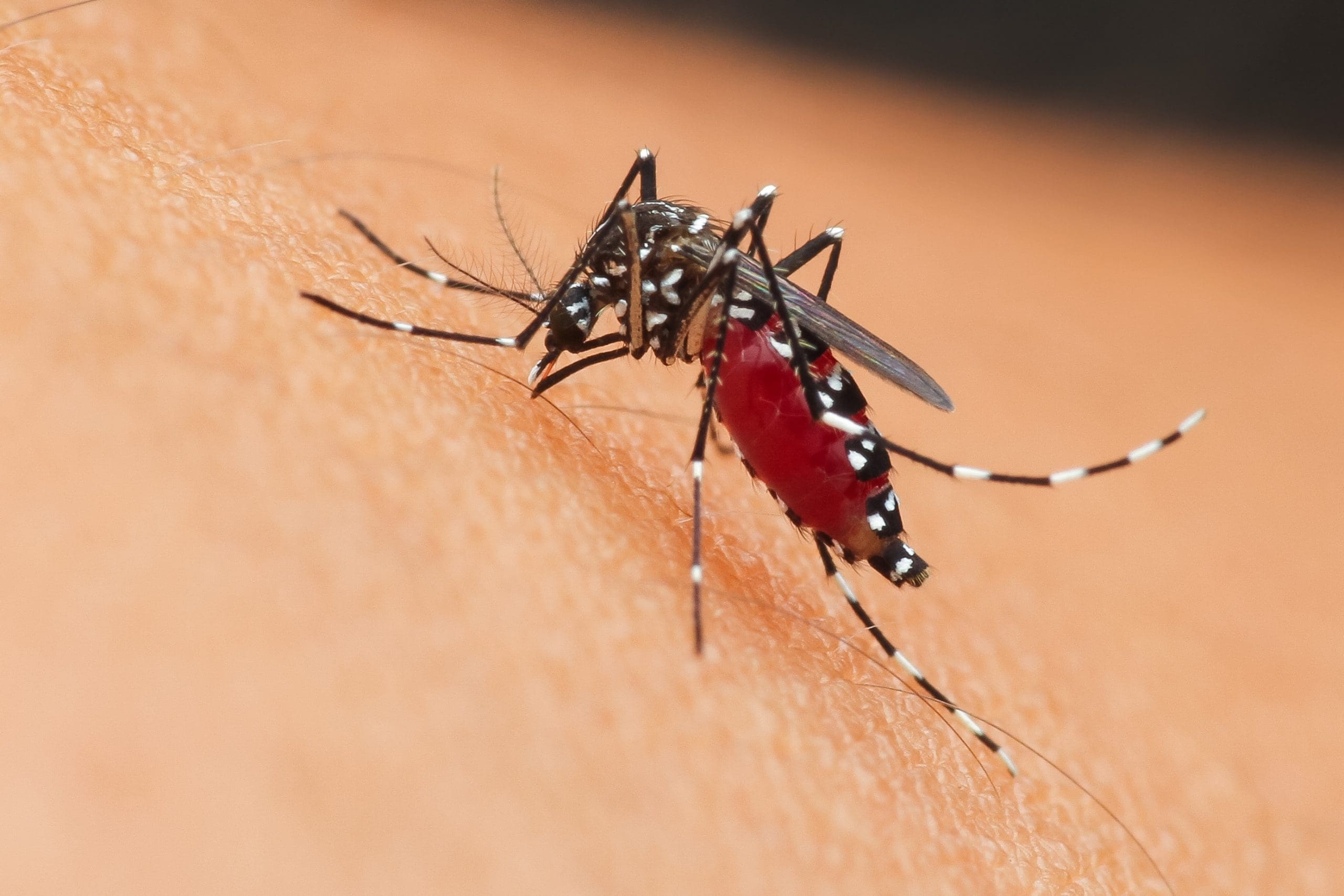
For example, in Cranston and Warwick, gardeners may need to contend with pests such as ticks and mosquitoes, which can be controlled using IPM strategies. By using a combination of these methods, gardeners can reduce their reliance on chemical pesticides and maintain a healthy, balanced ecosystem in their garden.
Conclusion
Designing a low-maintenance garden in Rhode Island requires careful consideration of the state’s climate, soil conditions, and pest management strategies. By choosing the right plants, using sustainable gardening practices, and managing pests and weeds effectively, gardeners can enjoy a beautiful and thriving outdoor space with minimal upkeep. For professional lawn care services, including garden design, plant installation, and pest control, contact 4EverGreen today. With their expertise and guidance, you can create a stunning low-maintenance garden in Rhode Island that meets your needs and enhances your outdoor living space.
Remember to always follow sustainable gardening practices and seek professional advice when needed to ensure the long-term health and vitality of your garden. By working together, we can create beautiful, thriving gardens that benefit both people and the environment.